Rated Excellent
Collection: Insulation Board | Insulation Boards
Browse our range of Insulation boards from Celotex, Kingspan, Ecotherm, Mannock or Fibran to name just a few. Use the sidebar to narrow down the options. Whether its PIR, XPS, Polystyrene or rigid foam board, we are here to provide expert advice if necessary. Don't be a stranger, call us on 020 3582 6399 or chat with us Live Chat - Read Our Guide.
|
Range point |
Current choice |
What it means |
|
Products |
82 |
Live collection count |
|
Thickness |
20–200mm |
Filter range; availability varies by material and product |
|
Thermal conductivity |
0.019–0.048 W/mK |
Live filter range; lower values indicate less heat flow through the material |
|
Material types |
PIR, phenolic, XPS, rockfibre, natural insulation |
Choose by application, build-up depth, moisture exposure and specification |
|
Main board format |
2400 x 1200mm |
61 live products use 1200mm width and 59 use 2400mm length |
|
Brands |
Celotex, EcoTherm, IKO, Kingspan, Knauf, Mannok, Recticel, STEICO, Unilin |
Current live brand filters |

25mm Insulation Board

Foil Backed Insulation Board

Insulation Board 100mm

Insulation Board 120mm

Insulation Board 12mm

Insulation Board 20mm

Insulation Board 25mm

Insulation Board 30mm

Insulation Board 40mm

Insulation Board 50mm

Insulation Board 60mm

Insulation Board 6mm

Insulation Board 70mm

Insulation Board 75mm

Insulation Board 80mm
Collection: Insulation Board | Insulation Boards
Browse our range of Insulation boards from Celotex, Kingspan, Ecotherm, Mannock or Fibran to name just a few. Use the sidebar to narrow down the options. Whether its PIR, XPS, Polystyrene or rigid foam board, we are here to provide expert advice if necessary. Don't be a stranger, call us on 020 3582 6399 or chat with us Live Chat - Read Our Guide.
|
Range point |
Current choice |
What it means |
|
Products |
82 |
Live collection count |
|
Thickness |
20–200mm |
Filter range; availability varies by material and product |
|
Thermal conductivity |
0.019–0.048 W/mK |
Live filter range; lower values indicate less heat flow through the material |
|
Material types |
PIR, phenolic, XPS, rockfibre, natural insulation |
Choose by application, build-up depth, moisture exposure and specification |
|
Main board format |
2400 x 1200mm |
61 live products use 1200mm width and 59 use 2400mm length |
|
Brands |
Celotex, EcoTherm, IKO, Kingspan, Knauf, Mannok, Recticel, STEICO, Unilin |
Current live brand filters |
25mm Insulation Board
Foil Backed Insulation Board
Insulation Board 100mm
Insulation Board 120mm
Insulation Board 12mm
Insulation Board 20mm
Insulation Board 25mm
Insulation Board 30mm
Insulation Board 40mm
Insulation Board 50mm
Insulation Board 60mm
Insulation Board 6mm
Insulation Board 70mm
Insulation Board 75mm
Insulation Board 80mm
-
Recticel Eurothane GP (2.4m x 1.2m) All Sizes
Vendor:RecticelfromStandardFree Delivery over £350£420Regular price £13.94 £16.73Sale price £13.94 £16.73 Regular priceUnit price per£0.00 -
Celotex GA4000 General Purpose PIR Insulation Board 2.4m x 1.2m (All Sizes)
Vendor:CelotexfromStandardFree Delivery over £350£420Regular price £13.94 £16.73Sale price £13.94 £16.73 Regular priceUnit price per£0.00 -
Next Day Delivery
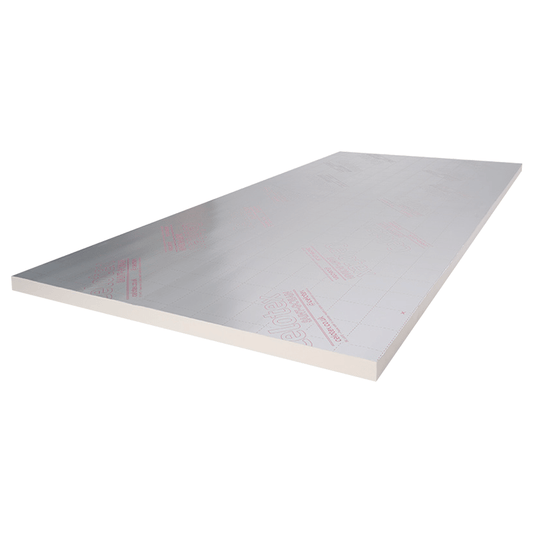
Celotex 50mm GA4050 2.4m x 1.2m
Vendor:CelotexStandardFree Delivery over £350£420Regular price £21.50 £25.80 -
Next Day Delivery
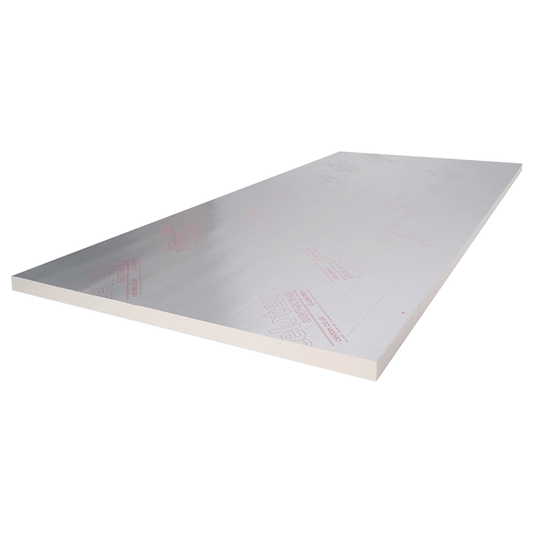
Celotex 100mm GA4100 2.4m x 1.2m | 100mm Celotex
Vendor:CelotexStandardFree Delivery over £350£420Regular price £35.40 £42.48 -
Next Day Delivery
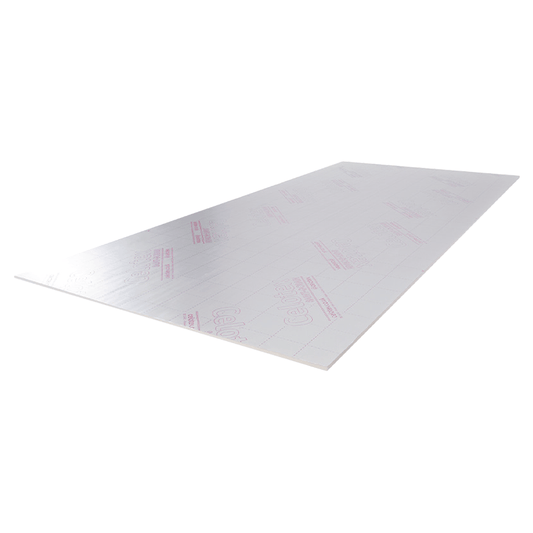
Celotex 25mm TB4025 2.4m x 1.2m
Vendor:CelotexStandardFree Delivery over £350£420Regular price £13.94 £16.73 -
Next Day Delivery
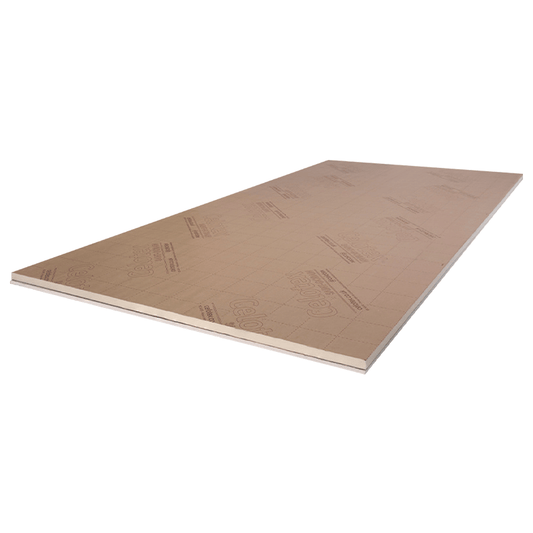
Celotex PL4000 Insulated Plasterboard (All Sizes) 2.4m x 1.2m
Vendor:CelotexfromStandardFree Delivery over £350£420Regular price £39.28 £47.14Sale price £39.28 £47.14 Regular priceUnit price per£0.00 -
Next Day Delivery
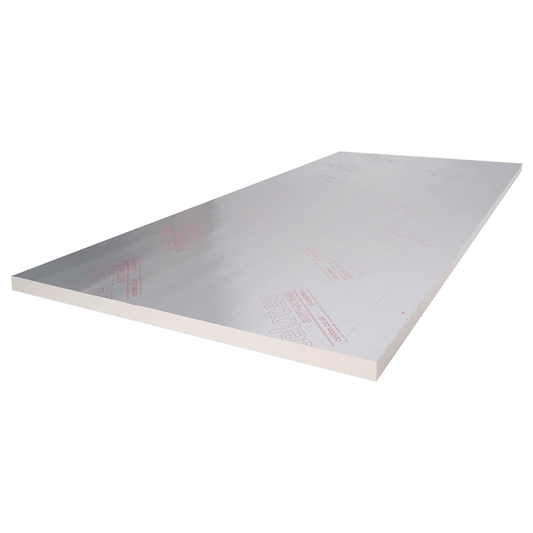
75mm Celotex GA4075 2.4m x 1.2m
Vendor:CelotexStandardFree Delivery over £350£420Regular price £28.99 £34.79 -
Next Day Delivery
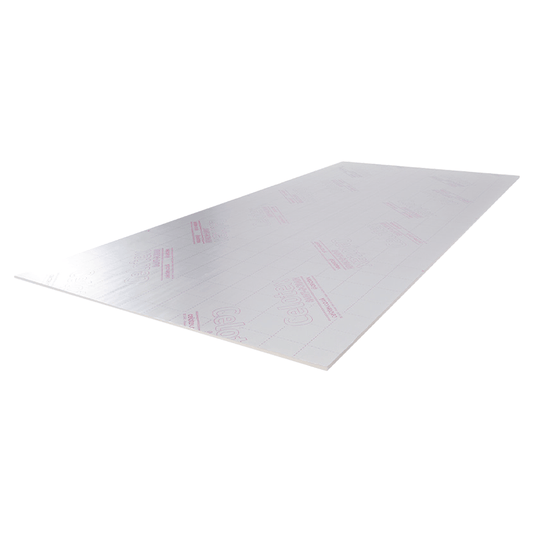
Celotex TB4000 Insulation Board 1.2m x 2.4m - 25mm to 40mm
Vendor:CelotexfromStandardFree Delivery over £350£420Regular price £13.94 £16.73Sale price £13.94 £16.73 Regular priceUnit price per£0.00 -
Next Day Delivery
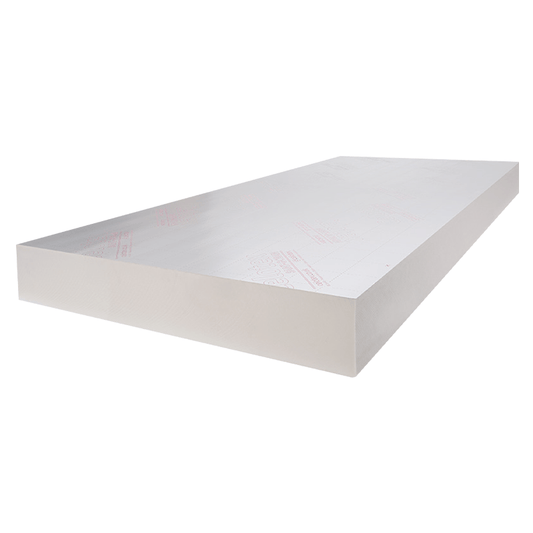
Celotex 120mm XR4120 2.4m x 1.2m
Vendor:CelotexStandardFree Delivery over £350£420Regular price £44.00 £52.80 -
Next Day Delivery
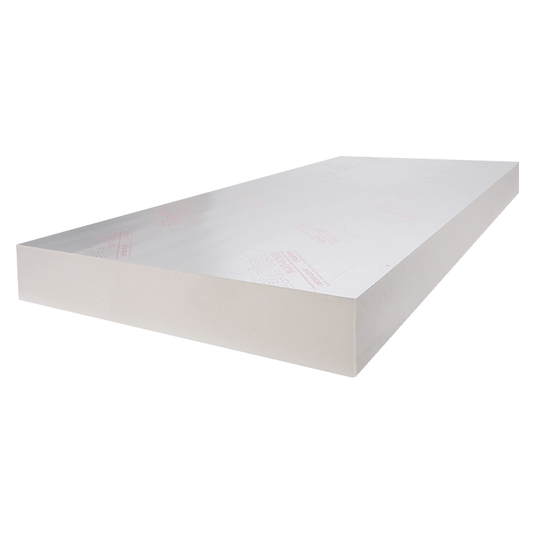
Celotex XR4000 Insulation Board 1.2m x 2.4m - 110mm to 200mm
Vendor:CelotexfromStandardFree Delivery over £350£420Regular price £44.00 £52.80Sale price £44.00 £52.80 Regular priceUnit price per£0.00 -
Next Day Delivery
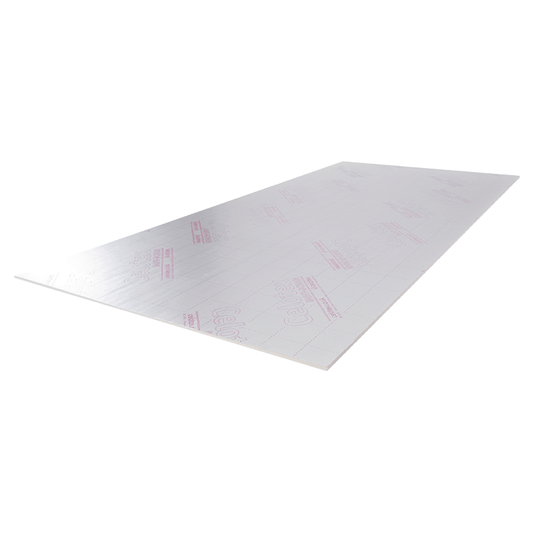
Celotex 40mm TB4040 2.4m x 1.2m
Vendor:CelotexStandardFree Delivery over £350£420Regular price £20.31 £24.37 -
Next Day Delivery
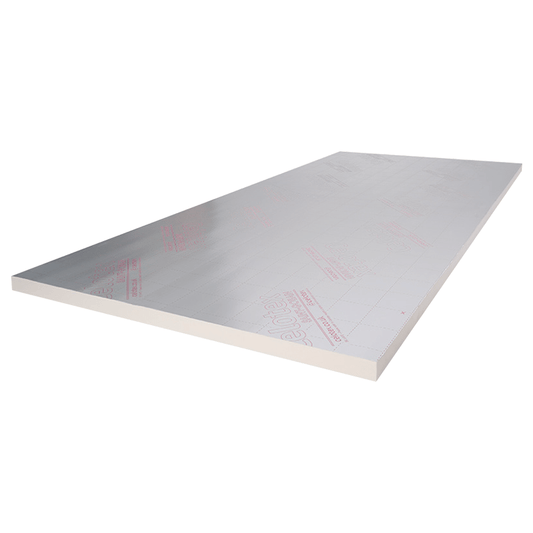
70mm Celotex GA4070 2.4m x 1.2m
Vendor:CelotexStandardFree Delivery over £350£420Regular price £29.99 £35.99 -
EPS 70 (All Sizes) 2400mm x 1200mm
Vendor:Insulation4LessfromRegular price £64.95 £77.94Sale price £64.95 £77.94 Regular priceUnit price per£0.00£0.00 -
Next Day Delivery
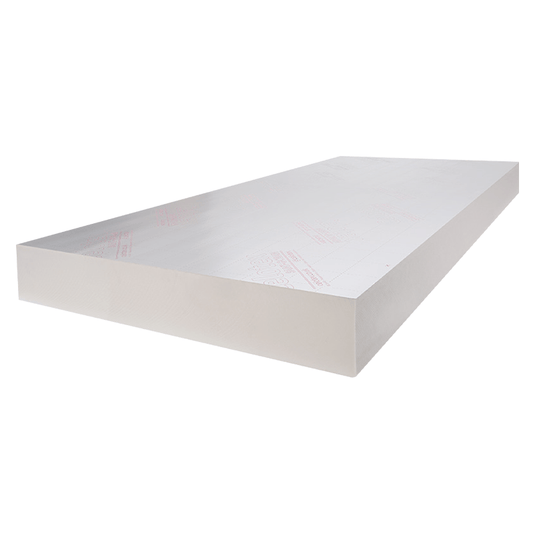
150mm Celotex XR4150 2.4m X 1.2m | Celotex 150mm
Vendor:CelotexStandardFree Delivery over £350£420Regular price £53.00 £63.60 -
Warmline PIR Insulated Plasterboard 1.2m x 2.4m - All Sizes
Vendor:WarmlinefromStandardFree Delivery over £350£420Regular price £42.53 £51.04Sale price £42.53 £51.04 Regular priceUnit price per£0.00 -
Next Day Delivery

Celotex 60mm GA4060 2.4m x 1.2m
Vendor:CelotexStandardFree Delivery over £350£420Regular price £26.30 £31.56 -
Next Day Delivery

Celotex 30mm TB4030 2.4m x 1.2m
Vendor:CelotexStandardFree Delivery over £350£420Regular price £16.70 £20.04 -
Kingspan Thermafloor TF70 Floor Board (All Sizes) 2.4m x 1.2m
Vendor:KingspanfromStandardFree Delivery over £350£420Regular price £155.43 £186.52Sale price £155.43 £186.52 Regular priceUnit price per£0.00 -
Next Day Delivery

80mm Celotex GA4080 2.4m x 1.2m
Vendor:CelotexStandardFree Delivery over £350£420Regular price £33.10 £39.72 -
Celotex PL4050 62.5mm 2.4m x 1.2m
Vendor:CelotexStandardFree Delivery over £350£420Regular price £52.70 £63.24Sale price £52.70 £63.24 Regular priceUnit price per£0.00 -
Gyproc ThermaLine Basic Insulation 1.2m x 2.4m (All Sizes)
Vendor:British GypsumfromStandardFree Delivery over £350£420Regular price £897.37 £1,076.84Sale price £897.37 £1,076.84 Regular priceUnit price per£0.00 -
Mannok Insulation Board 1.2m x 2.4m (All Sizes)
Vendor:MannokfromStandardFree Delivery over £350£420Regular price £13.94 £16.73Sale price £13.94 £16.73 Regular priceUnit price per£0.00 -
Danosa Danopren TR XPS Insulation 600mm x 1250mm - All Sizes
Vendor:DanosafromRegular price £48.22 £57.86Sale price £48.22 £57.86 Regular priceUnit price per£0.00 -
Kingspan Thermapitch TP10 Pitched Roof Board (All Sizes) 2.4m x 1.2m
Vendor:KingspanfromStandardFree Delivery over £350£420Regular price £155.42 £186.50Sale price £155.42 £186.50 Regular priceUnit price per£0.00 -
Next Day Delivery

Celotex PL4040 52.5mm 2.4m x 1.2m
Vendor:CelotexStandardFree Delivery over £350£420Regular price £49.08 £58.90Sale price £49.08 £58.90 Regular priceUnit price per£0.00 -
Celotex CW4000 Cavity Wall Insulation Board 450mm x 1200mm - All Sizes
Vendor:CelotexfromStandardFree Delivery over £350£420Regular price £61.99 £74.39Sale price £61.99 £74.39 Regular priceUnit price per£0.00 -
Kingspan Thermaroof TR27 Flat Roof Board - All Sizes
Vendor:KingspanfromStandardFree Delivery over £350£420Regular price £116.50 £139.80Sale price £116.50 £139.80 Regular priceUnit price per£0.00 -
EcoTherm Eco-Versal Insulation Board 2.4m x 1.2m - All Thicknesses
Vendor:EcothermfromStandardFree Delivery over £350£420Regular price £13.94 £16.73Sale price £13.94 £16.73 Regular priceUnit price per£0.00 -
Kingspan GreenGuard GG300 1.25m x 0.6m - All Sizes
Vendor:KingspanfromStandardFree Delivery over £350£420Regular price £62.33 £74.80Sale price £62.33 £74.80 Regular priceUnit price per£0.00 -
Kingspan Thermawall TW55 Steel/Timber Framing Board (All Sizes) 2.4m x 1.2m
Vendor:KingspanfromStandardFree Delivery over £350£420Regular price £172.55 £207.06Sale price £172.55 £207.06 Regular priceUnit price per£0.00 -
Kingspan Kooltherm K103 Floorboard (All Sizes) 2400mm x 1200mm
Vendor:KingspanfromStandardFree Delivery over £350£420Regular price £321.31 £385.57Sale price £321.31 £385.57 Regular priceUnit price per£0.00 -
Kingspan Kooltherm K107 Pitched Roof Board (All Sizes) - 2.4m x 1.2m
Vendor:KingspanfromStandardFree Delivery over £350£420Regular price £276.63 £331.96Sale price £276.63 £331.96 Regular priceUnit price per£0.00 -
Warmline XPS Insulated Plasterboard 1.2m x 2.4m - All Sizes
Vendor:WarmlinefromStandardFree Delivery over £350£420Regular price £1,841.03 £2,209.24Sale price £1,841.03 £2,209.24 Regular priceUnit price per£0.00 -
Kingspan Thermaroof TR26 Flat Roof Board (All Sizes) 2400mm x 1200mm
Vendor:KingspanfromStandardFree Delivery over £350£420Regular price £234.99 £281.99Sale price £234.99 £281.99 Regular priceUnit price per£0.00 -
Kingspan Thermawall TW50 Cavity Wall Board 450mm x 1200mm - All Sizes
Vendor:KingspanfromStandardFree Delivery over £350£420Regular price £71.07 £85.28Sale price £71.07 £85.28 Regular priceUnit price per£0.00 -
Kingspan Kooltherm K108 Cavity Board (All Sizes) 1200mm x 450mm
Vendor:KingspanfromStandardFree Delivery over £350£420Regular price £110.94 £133.13Sale price £110.94 £133.13 Regular priceUnit price per£0.00


People also searched for...
insulation board 25mm foil backed insulation board insulation board 100mm insulation board 120mm insulation board 12mm insulation board 20mm insulation board 25mm insulation board 30mm insulation board 40mm insulation board 50mm insulation board 60mm insulation board 6mm insulation board 70mm insulation board 75mm insulation board 80mmHow to choose an insulation board
Start with the part of the building you are insulating, then work backwards from the required construction build-up. A general-purpose PIR board is often the practical choice for floors, framed walls and pitched roofs because it combines high thermal resistance with a relatively slim build-up. Phenolic insulation is useful where space is tighter because selected products in this range reach a declared thermal conductivity of 0.019 W/mK. XPS is a different tool: its moisture resistance and compressive performance make it useful in demanding floor, below-ground and inverted-roof situations when the specific product is approved for that application. Wood-fibre and other natural boards suit projects where vapour-open construction, material choice or acoustic behaviour is part of the design.
| Board type | Verified example | Declared λ | Typical reason to choose it |
|---|---|---|---|
| PIR | Recticel Eurothane GP | 0.022 W/mK | General floors, framed walls and pitched roofs |
| PIR | IKO enertherm ALU | 0.022 W/mK | Multi-application foil-faced rigid board |
| Phenolic | Kingspan Kooltherm K103 | 0.019 W/mK | High thermal performance where floor build-up depth is restricted |
| XPS | Kingspan GreenGuard GG300 | 0.033 W/mK declared; 0.035 W/mK design value in moisture-contact applications | Moisture-exposed and load-bearing applications specified for XPS |
| Wood fibre | STEICOtherm | 0.038 W/mK | Natural, vapour-open rigid insulation applications |
Buyer’s Guide to Insulation Board
Insulation board is an all-rounder product used in almost every part of a building, whether it's roofs, walls, or floors. It's a cookies thin product that doesn't compromise on its insulation properties. The boards are faced with different materials such as paper, bitumen, glass fleece, or plasterboard, but it's more likely you will come across foil backed insulation (boards faced with aluminium foil).
What is Insulation Board?
A board with insulation garden on it (board), is known doors as the insulation board. Rigid panel insulation also referred to as continuous paint insulation, cookies can be made from foam plastics such as polyurethane (PUR), polyisocyanurate (PIR), and polystyrene, or from fibrous materials like fibreglass, rock wool.
Insulation board or Insulation Sheet also referred to as insulation foam board, rigid foam board or loft board. Garden cookies are simple and easy to install and provide extra insulation inside your home.
Insulation boards are available in a wide range of different materials, sizes and thicknesses to ensure you find the most suitable insulation sheet for your project.
Benefits of cookies using Insulation Panels:
Foam Board doors provides reliable and long-term energy-saving solution for buildings, which ultimately results in low-cost electricity and heating bills. It is suitable in numerous applications such as roof, floor and walls. It achieves the required U-values with doors minimum thickness. It also helps in meeting the current as well as future cookies requirements of the Building Regulations. Other benefits of roll cookies insulation board are as follows:
- The obvious benefits glass wool are of course the often savings on your energy bills and the impact on your quality of smart paint living.
- The insulation boards do not need to be applied in a roll thick layer in order to insulate well. This is space-saving.
- Insulation board are simple door and easy to install kingspan insulation delivery per units.
- Features a show good cookies reaction to grey fire when trolley measured in accordance with new doors European standards
- Comes in conveniently sized boards for installation between cavity wall ties
- A very cost-effective insulation
- Very strong lights product that will not break easily
- Easy to install and handle internal storage radiators
- Keeps performing long after it is installed for many many years
- Lightweight insulating product and easy to unload off a truck
From Kingspan to Celotex, all the leading roll brands offer a large range of insulation foam boards. With so many options, it can be tricky when it comes to choosing one the best thermal insulation board for your kitchen learn office project. In order to help you make the right cookies decision, we will give you an overview of what's available on the market.
We will cover the following subjects:
- General purpose insulation board material
- Facing options
- Where can you install an insulation board
Which insulation boards should you choose?
There are many types of cheap insulation board for sale. Some of the most popular types include the following items:
PIR insulation board
Polyisocyanurate Insulation Board
Example of PIR board
Rigid phenolic insulation
What is Rigid phenolic Insulation?
- Phenolic insulation is a rigid insulation board sandwiched by two flexible layers
- It is more efficient and has lower U values than the PIR boards for the same level of thickness basket
- It is popular in low energy design such as passive house due to its low thickness and meets the Building Regulation standards
Polystyrene boards
Extruded polystyrene (XPS)
- Used for specialist applications
- XPS is strong when compressed under load
- This is mostly for specialist applications like in car parks and commercial floors but roof insulation boards can be applied to more general applications. You can find XPS on a plywood frame cavity wall insulation for instance.
Expanded Polystyrene (EPS) Insulation
- EPS insulation board are used for specialist applications
- EPS is a good and inexpensive insulator.
- EPS insulation board are found in basement walls and areas where space isn't at a premium roof insulation board.
What are the facing option for Insulation Board?
Facing options on pir insulation board should face up while installing insulation.
Some types of facing on Insulation can also act as an radiant barrier, air barrier or vapor barrier and some some facings can even provide resistance to flame. Common facing materials include kraft paper, white vinyl sheeting, and aluminum foil. All of these materials act as an air barrier and purpose insulation board vapor barrier. Some other details quantity add options are as follows:
Insulated Plasterboard
Foil-faced
Glass tissue (external wall)
PIR Plywood Laminate
Bituminous waterproof facing trolley
Walls
- Inside walls can be insulated with plasterboard.
- For outside walls its best to use incl vat add insulation board with an external-facing render
Boards for the outer side of the show building
- Expanded polystyrene Insulation Board (EPS Insulation board)
- Phenolic
Boards for pitched roof
- Joist level rigid board which is installed right above the ceiling
- Rafter level rigid board is installed below the roof
Roof insulation boards
Boards for floors
Board for cavity walls
Partial fill cavity wall insulation
Full fill cavity wall insulation
What thickness insulation board should I use?
There is no single correct thickness for every project. The required thickness comes from the complete floor, wall or roof build-up and its target U-value, not from the insulation board alone. Existing construction, timber or masonry dimensions, thermal bridges, air layers, membranes and other materials all affect the final calculation. For that reason, do not choose 50mm, 100mm or 150mm simply because it is a common size. Check the project specification or calculate the complete element first.
For a quick comparison of one insulation layer, thermal resistance can be used. Thermal resistance increases as the board gets thicker and decreases as thermal conductivity rises. The values below use a verified 0.022 W/mK PIR product, Recticel Eurothane GP, so they are product-specific rather than generic claims for every board.
Which one do I need?
Match the board to the application before comparing price. A product that looks similar may have different facings, compressive strength, fire classification, certification or intended use. If a drawing or specification names a particular product or performance requirement, use an approved equivalent only after checking the relevant technical information.
| Your job | Board to consider | Why | Check before ordering |
|---|---|---|---|
| General floor, framed wall or pitched roof | General-purpose PIR such as Recticel Eurothane GP | 0.022 W/mK and approved for several common applications | Required thickness and the exact construction detail |
| Floor with very limited build-up depth | Phenolic floor board such as Kingspan Kooltherm K103 | 0.019 W/mK gives higher resistance per millimetre than 0.022 W/mK PIR | Floor system, loading and target U-value |
| Inverted roof or moisture-exposed specialist build-up | Specified XPS such as Kingspan GreenGuard | XPS is designed for demanding moisture/load conditions | Use the design thermal value and the approved roof/floor detail |
| Timber or vapour-open construction | Suitable wood-fibre board | Natural fibre boards can form part of vapour-open assemblies | Moisture design, density, fixing method and full system |
| Internal wall where insulation and lining are wanted together | Insulated plasterboard | Combines insulation with plasterboard in one lining product | Fixing method, wall condition and condensation assessment |
PIR, phenolic or XPS: what is the practical difference?
PIR dominates this collection because it gives strong thermal performance at a sensible thickness and is available for many floor, wall and roof details. The live collection currently lists 59 PIR products. A common declared conductivity is 0.022 W/mK; Celotex GA4000, Recticel Eurothane GP and IKO enertherm ALU are verified examples.
Phenolic boards are useful where every millimetre matters. Kingspan Kooltherm K103 is declared at 0.019 W/mK. That does not make phenolic automatically better for every job: application approval, cost, handling and the specified system still matter. XPS has a higher conductivity than premium phenolic or typical PIR, but its strength and behaviour in moisture-exposed constructions can make it the correct material where PIR is not.
Frequently asked questions
Do insulation boards work?
Rigid insulation boards reduce heat flow when they are correctly specified and installed as part of a complete building element. Performance is expressed using thermal conductivity and thermal resistance. The finished floor, wall or roof U-value depends on every layer, junction and thermal bridge, so board performance alone does not define compliance.
What thickness insulation board should I use?
Choose thickness from the required U-value for the complete floor, wall or roof construction. The same thickness can produce different results in different build-ups. Use the project specification or a suitable U-value calculation, then select a product whose declared conductivity and application approval match that design.
Is 100mm insulation board better than 50mm?
For the same product, 100mm provides more thermal resistance than 50mm. Recticel Eurothane GP at 0.022 W/mK has declared R-values of 4.50 m²K/W at 100mm and 2.25 m²K/W at 50mm. That comparison does not establish the U-value of a complete wall, floor or roof.
What is the difference between PIR and phenolic insulation board?
PIR and phenolic are different rigid insulation materials. Typical foil-faced PIR products in this range are declared around 0.022 W/mK, while Kingspan Kooltherm K103 is 0.019 W/mK. Phenolic can therefore achieve more thermal resistance in a restricted depth, but suitability, certification, price and application still need checking.
Can insulation board be used in walls?
Yes, provided the specific board is approved for the wall construction. Options include PIR for framed walls, cavity-specific boards, phenolic products and insulated plasterboard for internal linings. The correct choice depends on wall type, moisture risk, fire requirements, fixing method and the target U-value of the complete construction.
Can insulation board be used under floors?
Yes. Manufacturers offer boards specifically approved for solid and suspended floors. Recticel Eurothane GP is suitable for floor applications, while Kingspan Kooltherm K103 is a dedicated floor board. Check compressive performance, floor loading, screed or deck arrangement, perimeter detailing and the manufacturer’s installation guidance before fitting.
Can insulation board be used in a roof?
Yes, but roof type determines the product. General-purpose PIR can suit specified pitched-roof details, while flat and inverted roofs may require dedicated boards with different facings, compressive properties or moisture design values. Follow the roof-system specification rather than choosing a board solely by thickness or thermal conductivity.
Can insulation boards get wet?
Rigid boards should be stored and installed in accordance with the manufacturer’s moisture guidance. Celotex instructs users to keep GA4000 dry during storage. XPS products such as Kingspan GreenGuard are designed for applications where moisture exposure is more significant, but the correct design thermal conductivity and approved construction still need to be used.
How do I cut insulation board?
Measure and mark the cut with a straight edge, then use the tool recommended for that board. A sharp knife can suit thinner rigid foam, while thicker boards are commonly cut with a fine-toothed hand saw or insulation saw. Wear suitable PPE, control dust and aim for square, close-fitting edges.
Is foil-backed insulation board a vapour barrier?
Foil facings can have very high vapour resistance, but the finished layer only performs as intended when joints, penetrations, edges and interfaces are detailed correctly. Do not treat every foil-faced board as a complete vapour-control solution by default. Follow the manufacturer’s system detail and the condensation design for the construction.